Customer Story · Financial Services · United States
They Knew the Risk. They Just Needed a Way to Eliminate It.
How a U.S.-based financial services firm closed a known LOLBin, LOLDriver, and dual-use tool exposure without adding agents or headcount.
1,500
Windows endpoints
“We take a very conservative approach. When in doubt, we want to prevent something bad from happening, even if we are not 100% sure it is bad.”
1,500
Windows endpoints
~125
IT staff
2 hrs
weekly policy work
0
new endpoint agents
The Foundation
A protection-first team ready for the next level
This financial services organization was not reacting to a failure. AppLocker was already in place, WDAC had already been adopted, and the security strategy favored prevention before detection.
The harder problem was closing the remaining exposure around legitimate tools that attackers abuse for lateral movement, defense evasion, and privilege escalation.
The Gap
The risk was clear. The operating model was not.
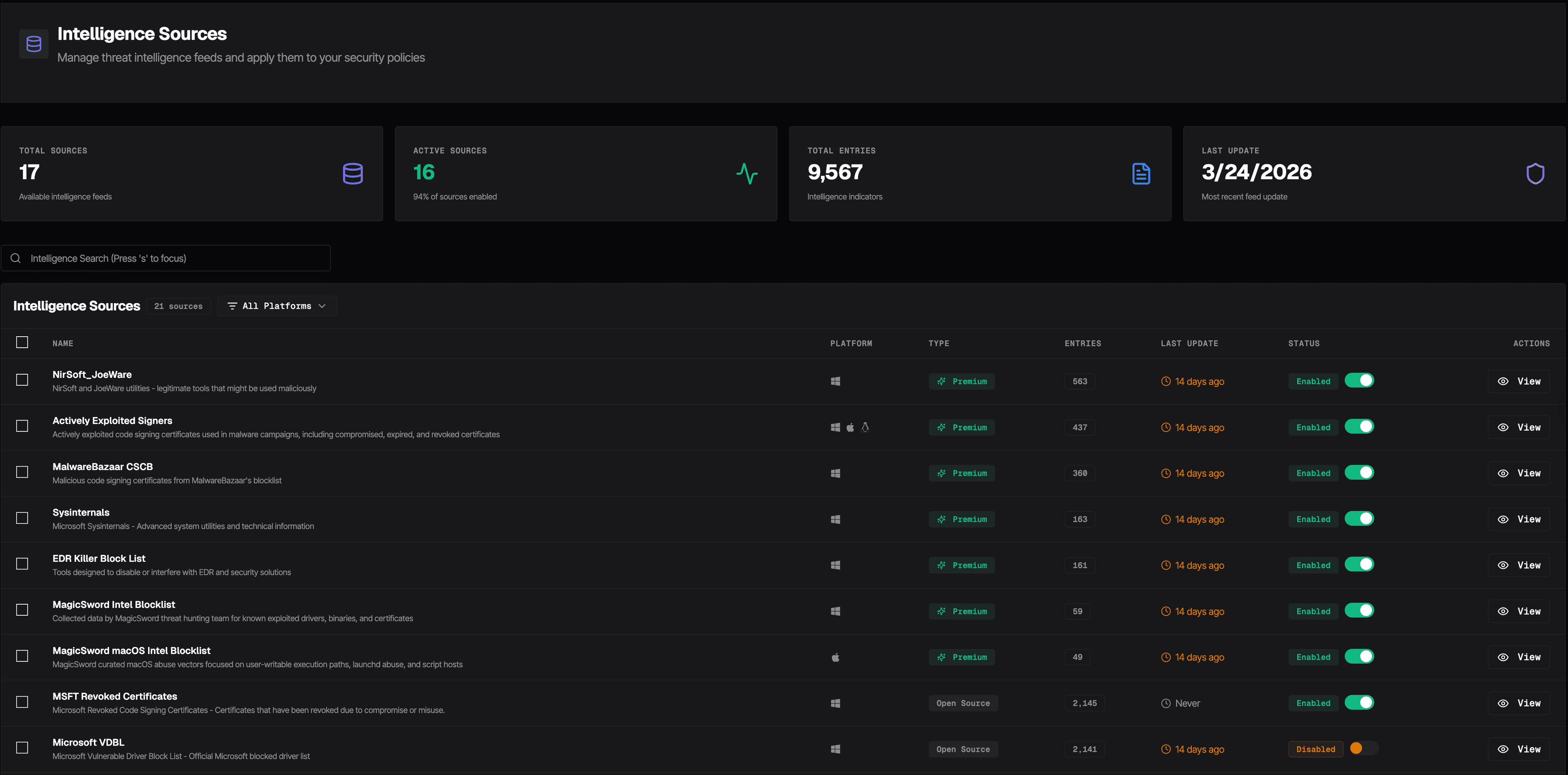
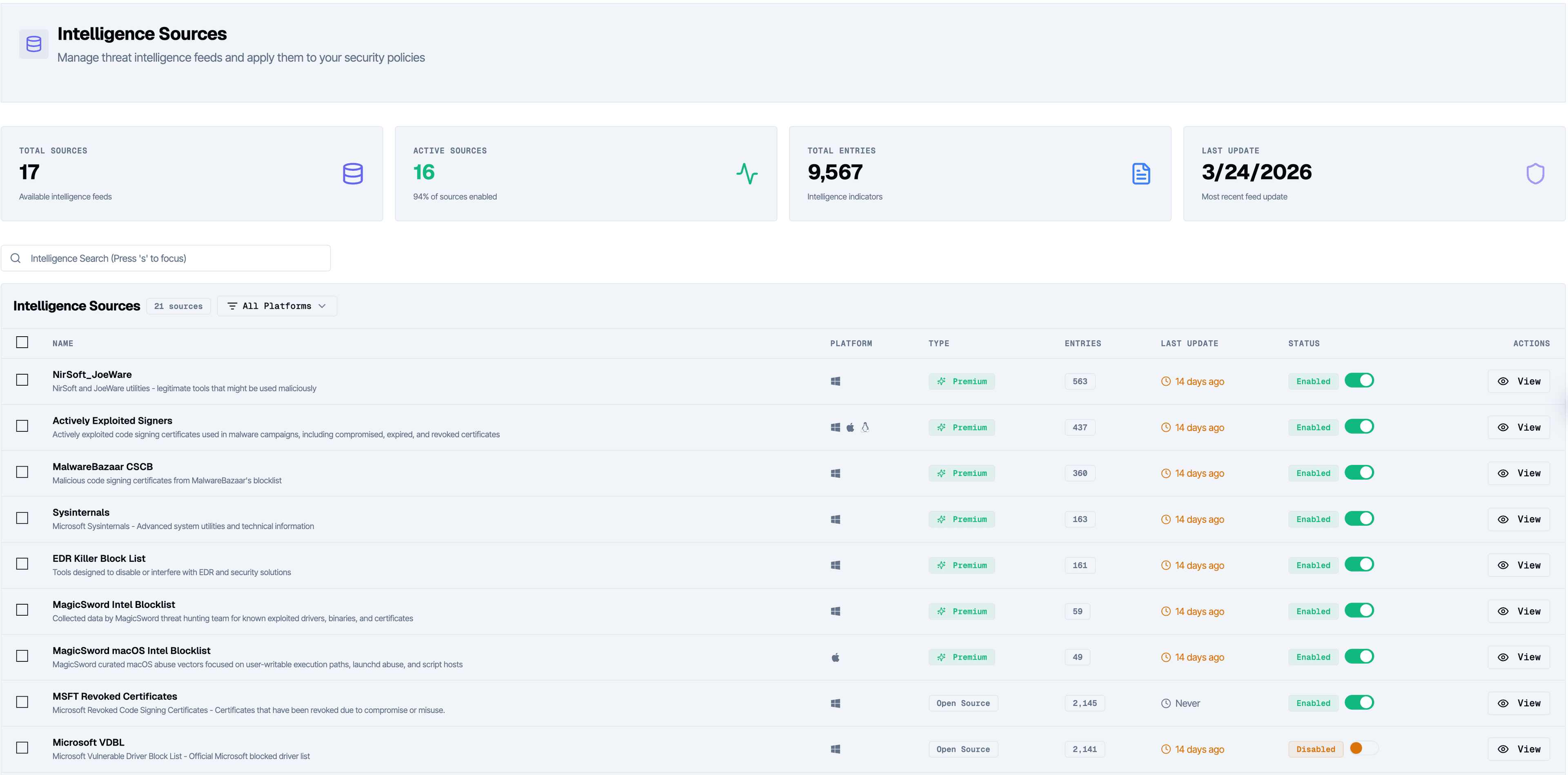
The team understood the value of WDAC, but native tooling and manual XML workflows made policy management difficult to expand. They also wanted to track an evolving set of abused utilities, vulnerable drivers, and remote management tools.
The concern was not whether prevention mattered. It was whether they could make prevention operational without assigning more people to low-level policy maintenance.
“Managing the policies is difficult. I did not want to put that burden on my team.”
“We take a very conservative approach. When in doubt, we want to prevent something bad from happening, even if we are not 100% sure it is bad.”
The Deployment
A management layer on top of security controls already in Windows
MagicSword fit the team strategy because it builds on WDAC rather than replacing it with another endpoint agent. The team could keep using Microsoft enforcement primitives while adding intelligence, workflow, and visibility.
The day-to-day workflow is straightforward: review logs, identify policy changes, update the portal, export the policy, and push it through the firm internal approval process.
The Results
The gap closed without growing the team
The organization closed the exposure it had identified across LOLBins, LOLDrivers, and dual-use tools. Policy work is handled by one person as part of a broader role, taking roughly two hours per week.
Visibility before enforcement helps the team understand what would break before a policy reaches users, reducing disruption while expanding prevention.
“Since switching to MagicSword, we have had a lot more visibility into what would be an issue prior to pushing into enforcement mode.”
The Partnership
Clear guidance, then less dependency over time
The team valued practical deployment guidance and configuration recommendations. Over time, the operating model became more self-service, which is exactly what a mature security team wants from a vendor relationship.